Six simple, natural ways to support libido (and six foods that genuinely help)
Valentine’s Day has a habit of shining an uncomfortable spotlight on sex. If you’re not feeling particularly in the mood, it can quickly tip from mildly annoying to quietly worrying.
And for many women, it’s not just a once-a-year thing.
Loss of libido is something I see frequently in clinic and it’s rarely about a lack of desire for your partner. More often, it’s about exhaustion, stress, hormones, confidence, or simply feeling disconnected from your own body.
So if “not tonight” has become the default, you’re not alone and there are practical, natural ways to begin turning things around.
Why libido isn’t just about sex
For women, feeling desire is rarely straightforward. When life is full – work, family, relationships, ageing parents, mental load – intimacy often slips to the bottom of the list.
Add in poor sleep, stress, body image concerns, relationship tension, or hormonal shifts, and it’s no surprise that libido can quietly disappear.
Medication can also play a role. Certain antidepressants, blood-pressure medications and hormonal contraception are well known for dampening sexual desire.
But one of the most common underlying drivers I see is hormonal imbalance, particularly around ovulation, perimenopause, menopause and thyroid health.
Hormones and libido: what’s really going on?
When hormones are working well, most women notice natural peaks in confidence, energy and desire. This is biology doing what biology does best.
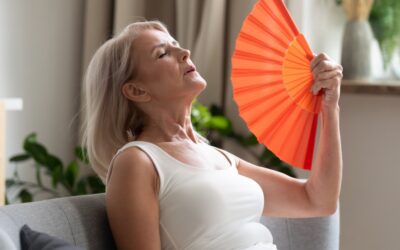
During perimenopause and menopause, fluctuating or declining oestrogen can reduce libido and make intimacy uncomfortable due to vaginal dryness or sensitivity. Unsurprisingly, that can quickly switch desire off altogether.
Low libido can also be linked to thyroid dysfunction. If fatigue, brain fog and low motivation sound familiar, it’s worth exploring this further with proper testing and support.
The reassuring news? These are addressable issues. Libido loss is not “just ageing” and it’s certainly not something you have to accept.
Six natural ways to support libido
Before we talk food, it’s worth remembering that desire is influenced by your whole system — not just what you eat.
Here are six foundational areas that make a genuine difference:
- Reduce stress where possible
Chronic stress suppresses sex hormones. Even small changes – boundaries, breathing, better sleep – matter. - Support hormonal balance
This may involve nutrition, lifestyle shifts or personalised supplementation. - Improve blood sugar stability
Energy crashes and irritability are not libido-friendly. - Address vaginal comfort
Dryness or discomfort deserves attention not endurance. - Check thyroid health
Especially if fatigue and low motivation are present. - Reconnect with your body
Feeling “sexy” often starts with feeling well.
Six libido-supporting foods to include
Food won’t fix everything but it can support circulation, hormone balance and energy levels, which all matter.
🥦 Broccoli
Rich in vitamin C and antioxidants, broccoli supports circulation and overall hormonal health.
🍉 Watermelon
Contains citrulline, which helps relax blood vessels and support blood flow — important for arousal in both men and women.
🥑 Avocados
High in potassium, healthy fats and vitamin B6, which supports hormone metabolism and may help ease PMS-related fatigue and irritability.
🥚 Eggs
A brilliant source of B vitamins, including B6, which helps regulate stress hormones — essential for libido.
🥩 Steak (or zinc-rich alternatives)
Zinc supports testosterone levels, which play a role in libido for women too. If you don’t eat red meat, pumpkin seeds and shellfish are good alternatives.
🌱 Maca
A traditional Peruvian root that’s been studied for its effects on libido, fertility and perimenopausal symptoms. It’s available as a powder or supplement and easy to add to smoothies or yoghurt.
A final thought
Low libido isn’t a failure, a flaw, or a sign that something is “wrong” with you.
It’s feedback, often from a body that’s tired, hormonally stretched, or under-supported.
With the right approach, most women can restore desire, comfort and confidence at any age. It doesn’t happen overnight, but it is possible and absolutely worth addressing.
If you’d like personalised support to understand what’s driving your symptoms and how to move forward, I’d be happy to help.
Feeling good in your body isn’t a luxury, it’s part of living well.